
The USA has more than 3,000 colleges with basketball programs across NCAA Division I, Division II, NAIA, and Junior College, every one of them an opportunity to play at the next level while earning a degree.
As Australians, we're at an immediate disadvantage simply because of distance from US coaches and scouts. AUSA Hoops was born after we ourselves went through the process and learnt the difficulties first-hand. From our experience, the best way to convince coaches and scouts of your ability is to play AAU basketball, by playing against Americans in America, you remove the doubt and risk a coach might otherwise have when evaluating a foreign player.
But recruiting doesn't start or end with AAU. With so many colleges, not every coach is going to see you play. It takes work on your part to get on their radar, building a list of realistic schools for your level, creating an online profile, putting together a highlight video, and contacting coaches directly. All in combination with playing AAU significantly increases your chances of earning a scholarship.
How many scholarships are available?
College basketball scholarships are offered at the NCAA Division I, NCAA Division II, NJCAA, and NAIA levels. NCAA Division III does not offer athletic scholarships but may offer other forms of financial aid.
The number of scholarships available is based on a fully-funded program. Not all schools offer the maximum, and some restrict scholarship use for out-of-state and international athletes.
NCAA D1 scholarships are all full-ride. In all other divisions, basketball is an equivalency sport, coaches can divide the value of the total scholarships allotted to them between as many players as they see fit (so a player might be on a 50% or 75% scholarship rather than a full one).
NCAA recruiting rules and calendar
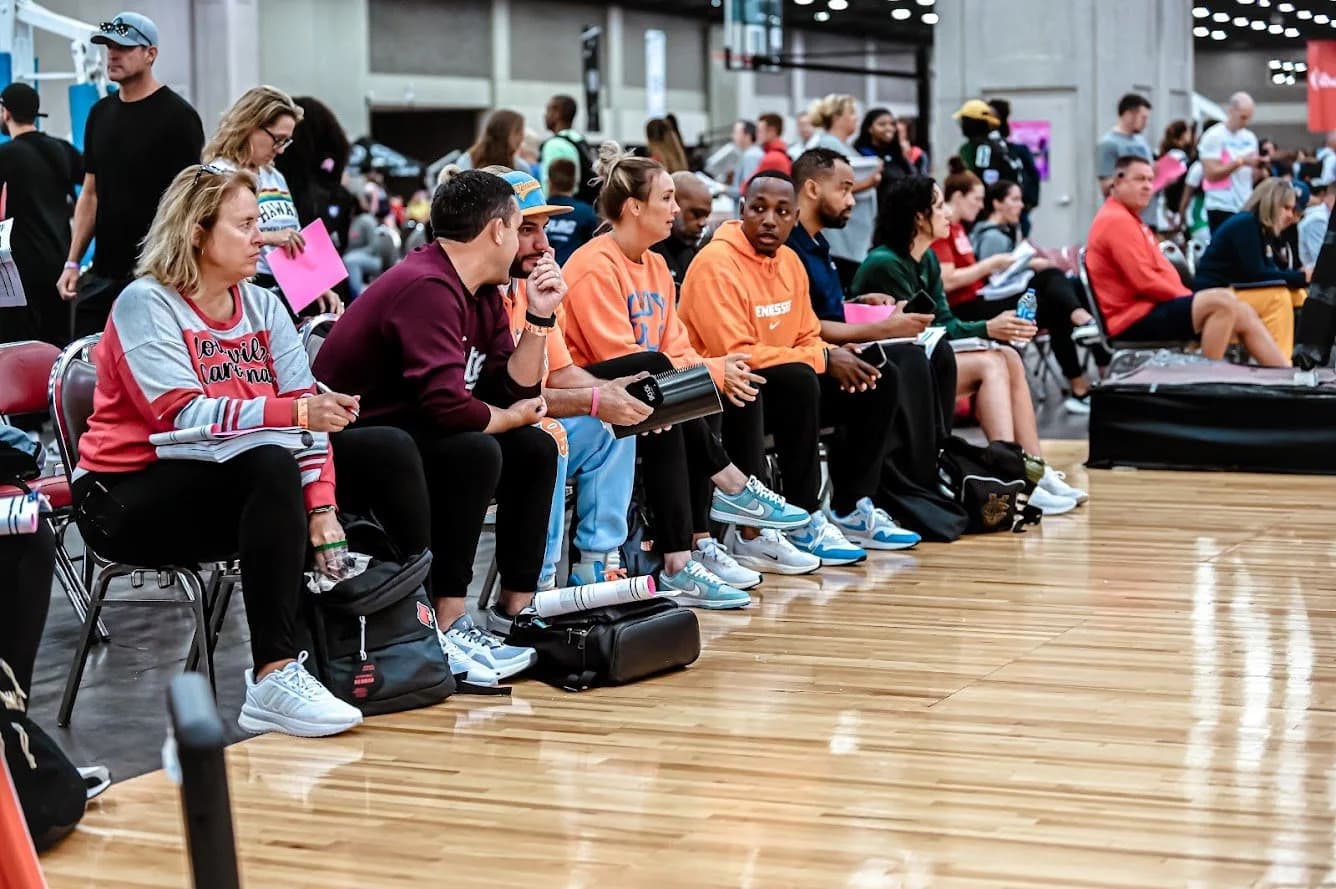
AUSA Hoops tours are planned around the NCAA live and evaluation periods, small windows when college coaches are permitted to scout prospects in person at AAU tournaments.
A foreign concept to most Australians, but US college coaches can only contact and evaluate potential recruits during specific times of year. These rules apply only to NCAA D1 and D2.
D3, NAIA and JUCO programs are permitted to contact players at any time during high school. Most contact for all levels happens during a player's Junior (Year 11) and Senior (Year 12) years.
As Australians, we need to be aware that coaches research and put together their lists long before these periods, so it's important to be on their radar as early as possible. That means proactively building a realistic list of schools, putting together your highlight video, and reaching out to coaches as soon as you're ready.
How recruiting works
From a coach's perspective, here's how they find student-athletes:
-
Identify potential recruits. At any point in high school, coaches can send general materials (recruiting questionnaires, intro letters) to athletes, usually to a large number of freshmen and sophomores to gauge interest. Respond promptly to these. Other ways to get on their radar: Twitter/X, direct email, AAU tours.
-
In-depth evaluations. Coaches now focus on ranking prospects and narrowing the list. This is where most families think the recruiting process begins, but athletes who've made it this far have already passed an initial evaluation. Tournaments, camps and highlight film are the most common ways coaches evaluate basketball prospects.
-
Verbal offers and visits. After coaches have their ranked list, they extend offers and lock down verbal commitments. Recruits being seriously recruited will partake in unofficial and official visits during their junior and senior years.